The brain explained
Dementia causes damage to the brain and is not an inevitable part of ageing. Understanding how our brains work can help you understand more about the impacts of different types of dementia.
Find out more about how our brains work
Your browser is no longer supported. Please upgrade your browser to improve your experience.
There are more than 100 types of dementia. The condition affects memory, emotions, communication, behaviour, vision and motor skills, and worsens over time.
Understanding the different types of dementia, how they are diagnosed and their effects on different people is important in providing the best care for the person with dementia. Lorraine Haining, Specialist Dementia Nurse, Dementia Carers Count
Understanding dementia can help you to make sense of different symptoms and behaviours. When we think about dementia we tend to think about memory loss. It’s actually more complicated than that.
There are over 100 different types of dementia. Some do start with memory changes, but some also start with changes in behaviour or communication. Dementia can affect your language skills. It can affect your vision and how you see the world. It can affect the way you move around. It can affect our sensory centre, which means that your brain can struggle to understand the messages it’s getting from other parts of the body. Dementia can affect our behaviour and our personality.
It’s really important to understand the type of dementia a person has because every type of dementia is different.
By better understanding dementia, you’ll be better equipped to deal with it and the challenges that you might face. Lorraine Haining, Specialist Dementia Nurse, Dementia Carers Count
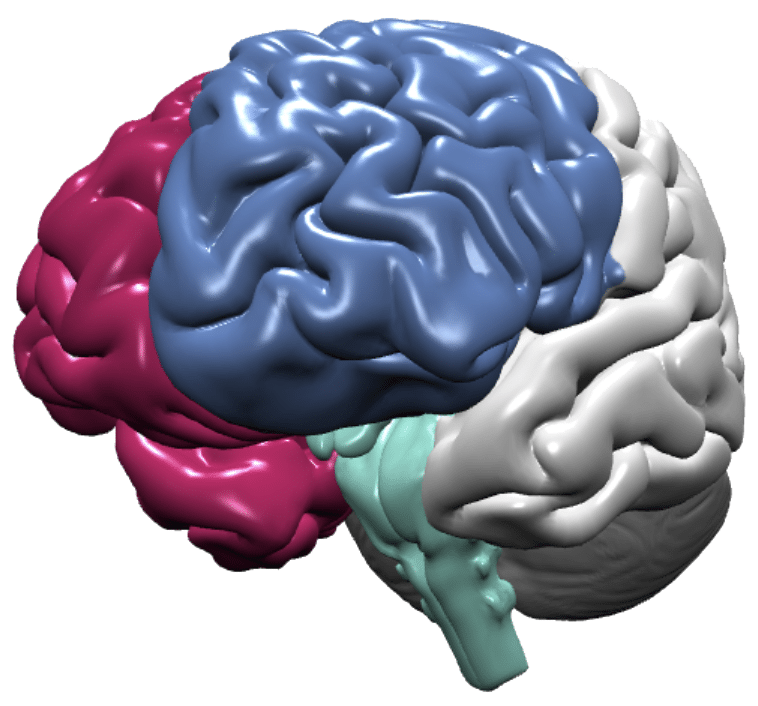
Dementia causes damage to the brain and is not an inevitable part of ageing. Understanding how our brains work can help you understand more about the impacts of different types of dementia.
Find out more about how our brains work
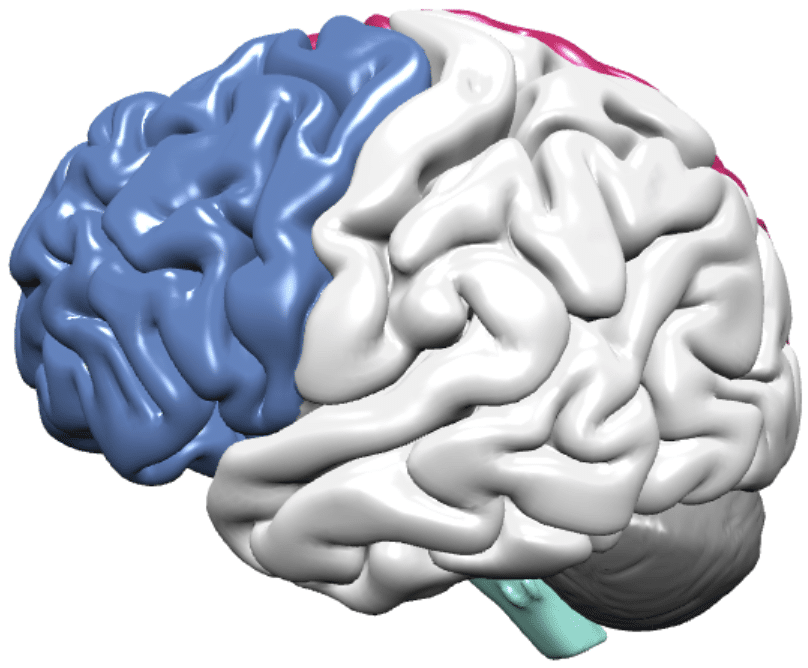
There are many different types of dementia. Each can cause different symptoms and behaviours.
Find out more about different types of dementia

Mild cognitive impairment affects cognition and people who experience it may have difficulties with memory or thinking.
Find out more about mild cognitive impairment

Delirium is sudden, acute or intense confusion and it can affect anyone when they are unwell, but it is much more likely in a person with dementia.
Find out more about delirium or sudden confusion
Dementia often affects memory. There are things you can do to support the person you care for if they are experiencing memory problems.

If you’re taking care of someone with dementia, you may notice changes in their behaviour and how they react to things.

As a person’s dementia increases, there are many factors that might increase the likelihood of them experiencing stress and showing distress. Understanding and tackling the causes of stress can help carers cope.